


As businesses increasingly rely on cloud computing, ensuring control over data (a concept known as data sovereignty) is no longer a choice but a necessity. Data sovereignty means maintaining ultimate authority over your data, ensuring it resides within specific geographic boundaries and adheres to local laws and regulations. Think of it as a digital passport for your information, dictating where it can and cannot travel.
Download Now: 8 Keys To Master The Cloud
[NEW 2025]
What is Data Sovereignty in the Cloud?
Data sovereignty in the cloud refers to the ability of organisations to control data stored and processed in cloud environments, ensuring compliance with specific geographic and legal boundaries. It’s about maintaining control, whether you’re an individual, a business, or a government, and reducing reliance on foreign tech companies for data management. This involves:
- Location Control: Data must be stored and processed within designated countries or regions, adhering to local rules.
- Regulatory Compliance: Strict adherence to local data protection laws, like GDPR in the EU, is essential.
- Unwavering Control: Maintaining control over data access and usage is fundamental.
Why is Data Sovereignty Crucial?
Data sovereignty is critical because it ensures:
- Data Security: Protecting sensitive information from unauthorised access and breaches.
- Data Governance: Maintaining control over who accesses and uses your data.
- Regulatory Compliance: Adhering to local and international data protection laws.
5 Challenges when maintaining control over Sovereign Policies
Maintaining data sovereignty in the cloud presents significant challenges due to the distributed nature of cloud infrastructure:
- Data Replication Across Regions: Automated replication, while essential for redundancy, can inadvertently store copies of data in regions outside the intended jurisdiction, potentially violating data sovereignty laws like GDPR.
- Backups and Archiving: Backups and archives, often stored in different data centres without explicit knowledge, can complicate compliance. Long-term archiving magnifies this issue as data may cross borders over time.
- Disaster Recovery and Failover Systems: Disaster recovery mechanisms may transfer data to different regions, even temporarily, exposing it to foreign laws and regulations. The time it takes to return systems to the original jurisdiction after a disaster can further compound this issue.
- Legal and Regulatory Conflicts: Varying international data protection laws create a complex landscape. For example, data transferred from the EU to the US may become subject to US data access laws, potentially conflicting with GDPR.
- Transparency and Control Limitations: Cloud providers offer assurances about data residency, but the underlying infrastructure and data flows can be opaque, making it difficult to guarantee data doesn’t cross borders.
Download Now: 8 Keys To Master The Cloud
[NEW 2025]
10 Practical Solutions and Best Practices for Data Sovereignty
Addressing data sovereignty in the cloud requires a multi-faceted approach. Here are some fundamental strategies:
- Strategic Cloud Provider Selection: Carefully evaluate cloud providers based on their data residency options, compliance certifications (e.g., ISO 27001, SOC 2), and transparency regarding data flows. Don’t just ask about where data is stored, but also how it is moved, accessed, and secured. Prioritise providers who offer granular control over data location and access.
- Robust Data Classification Policies: Implement data classification policies to identify and categorise sensitive data. This allows for tailored data-handling procedures based on sensitivity levels and regulatory requirements.
- Leveraging Data Residency Features: Utilise cloud provider features that enforce data residency at the storage, processing, and backup levels. Explore options for regional data centres and ensure that all related services (e.g., logging, analytics) comply with data residency requirements.
- End-to-End Encryption: Encrypt data in transit and at rest to protect it from unauthorised access, even if it crosses borders. Implement robust key management practices to maintain control over encryption keys.
- Regular Data Flow Audits: Conduct regular data flow audits to identify unintended cross-border transfers. Use data mapping tools to visualise data movement and ensure compliance.
- Stringent Access Controls: Implement granular access controls to restrict data access to authorised personnel only. Use multi-factor authentication and least privilege principles to minimise the risk of unauthorised access.
- Proactive Regulatory Monitoring: Stay informed about evolving data protection regulations and adapt your data governance framework accordingly. Subscribe to legal updates and consult with data privacy experts.
- Comprehensive Data Governance Framework: Establish a robust data governance framework that defines roles, responsibilities, policies, and procedures for data management. This framework should address data sovereignty requirements and be regularly reviewed and updated.
- Data Residency Testing: Don’t just assume data residency works as expected. Regularly test your data storage, processing, and backup/restore processes to verify compliance with data sovereignty requirements.
- Consider Emerging Technologies: Explore how emerging technologies like confidential computing can enhance data protection and control, even in cloud environments.
The Future of Data Sovereignty
Data sovereignty is not a static concept. As technology evolves and regulations change, organisations must remain vigilant and adapt their strategies. By proactively addressing these challenges and implementing the best practices outlined above, organisations can confidently overcome the complexities of data sovereignty in the cloud. Allowing them to access the full potential of cloud computing while maintaining control over their most valuable asset: their data.
For an in-depth look at a potential solution, explore our article on Microsoft Cloud for Sovereignty, designed to address many of these concerns.
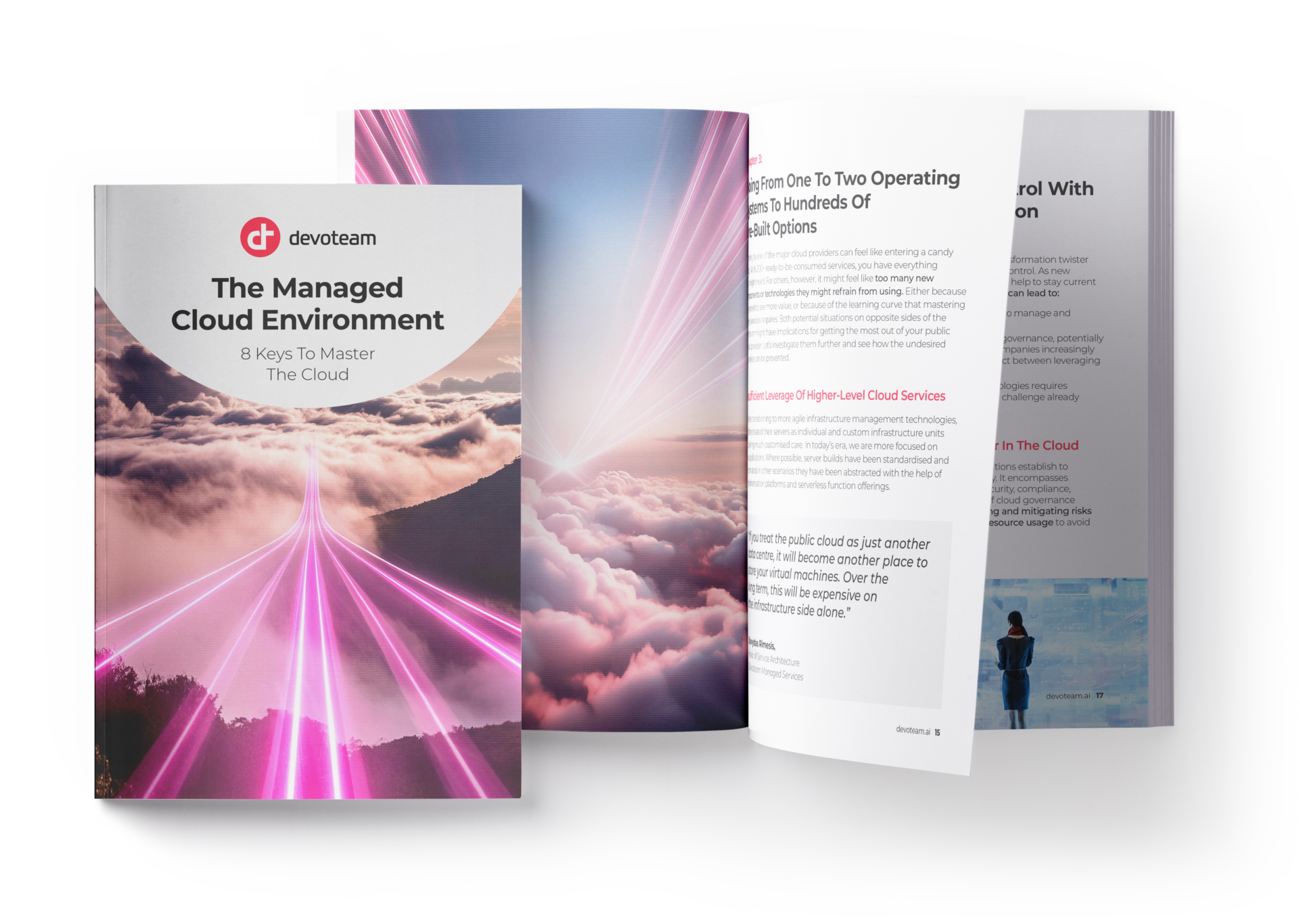
Cloud Managed Services Ebook
Get your free ebook and learn how to:

Shift to a cloud-native mindset

Establish proper governance in the cloud

Ensure security, compliance and sovereignty

Embrace proactive problem-solving

Master cloud monitoring

Leverage AI for cloud management